
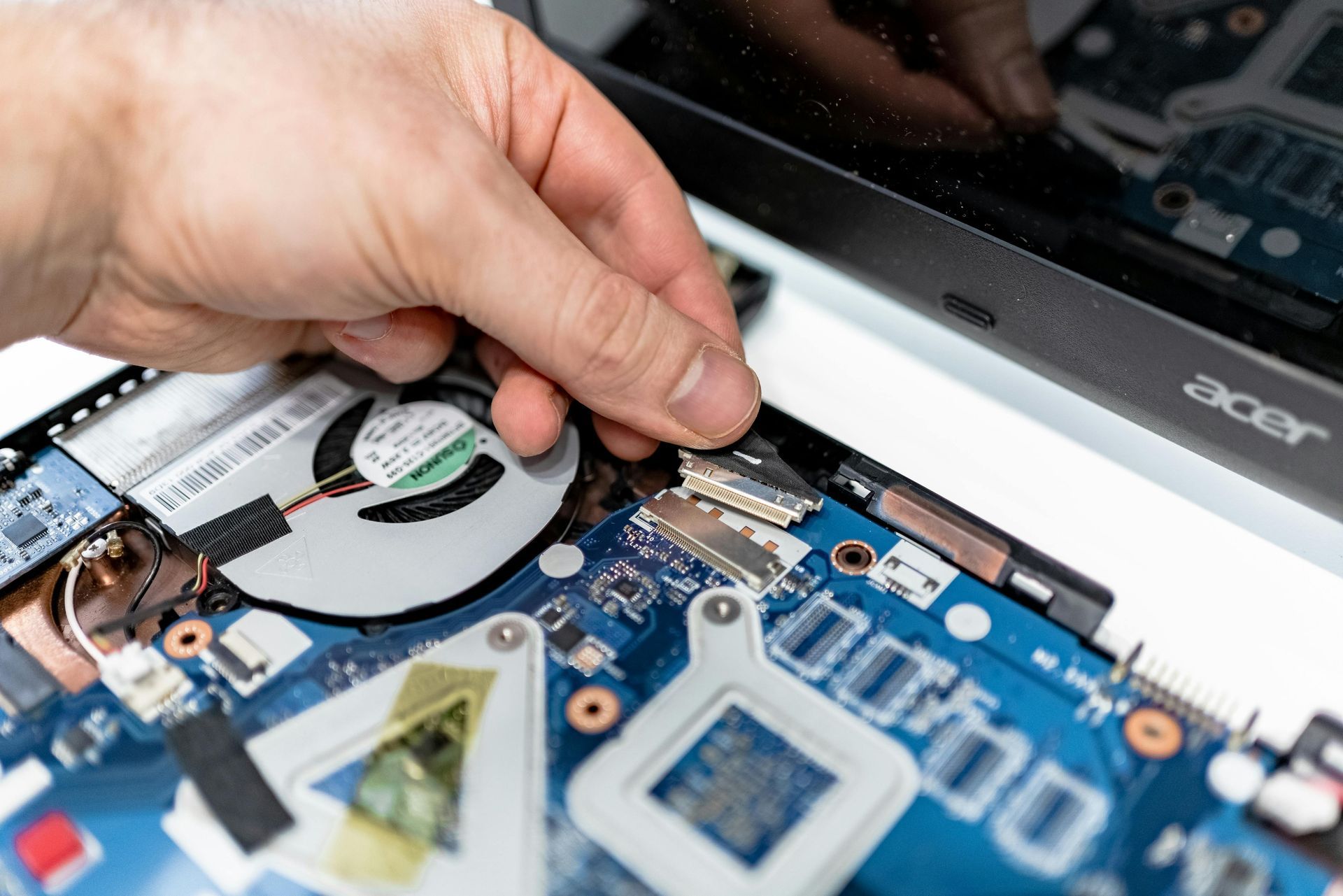
In today’s digital world, data is the backbone of businesses and personal projects alike. From critical business records on servers to personal files on laptops and external drives, losing data can be more than just an inconvenience—it can be a major setback. Data recovery services provide a lifeline, helping individuals and businesses retrieve important information from damaged, corrupted, or inaccessible storage devices. Houston, with its thriving tech and business community, has a growing network of data recovery experts offering specialized solutions for servers, laptops, and drives.
Key Takeaways
- Data recovery services are essential for retrieving lost or corrupted files from various storage devices.
- Houston offers specialized services for servers, laptops, and external drives.
- Choosing the right recovery provider can impact the success of retrieving your data.
- Preventative practices like regular backups can reduce reliance on emergency recovery.
- Recovery services often include diagnostics, secure handling, and repair options.
- Costs can vary depending on device type, damage, and complexity of recovery.
What Are Data Recovery Services?
Data recovery services are professional solutions designed to recover information from storage devices that are damaged, corrupted, or otherwise inaccessible. These services are often employed when a device fails due to hardware malfunction, accidental deletion, virus attacks, or physical damage.
Common services include:
- Logical Recovery: Retrieving data lost due to software issues, such as corrupted files, accidental deletion, or formatting errors.
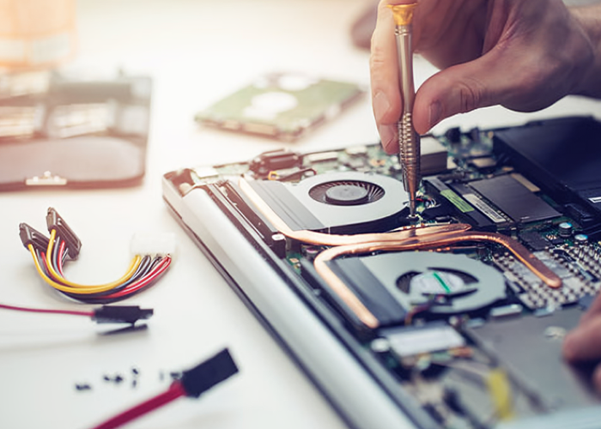
- Physical Recovery: Addressing hardware damage to devices like broken hard drives, fried circuits, or water-damaged laptops.
- RAID Recovery: Recovering data from complex storage arrays in servers, which requires specialized technical expertise.
The ultimate goal of these services is to restore data safely and efficiently while minimizing further risk to the device.
Data Recovery for Servers in Houston
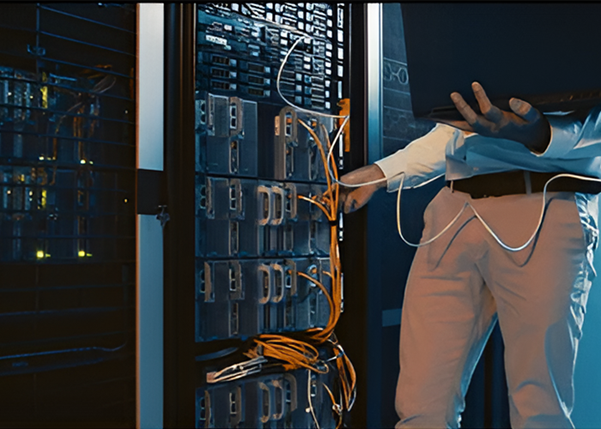
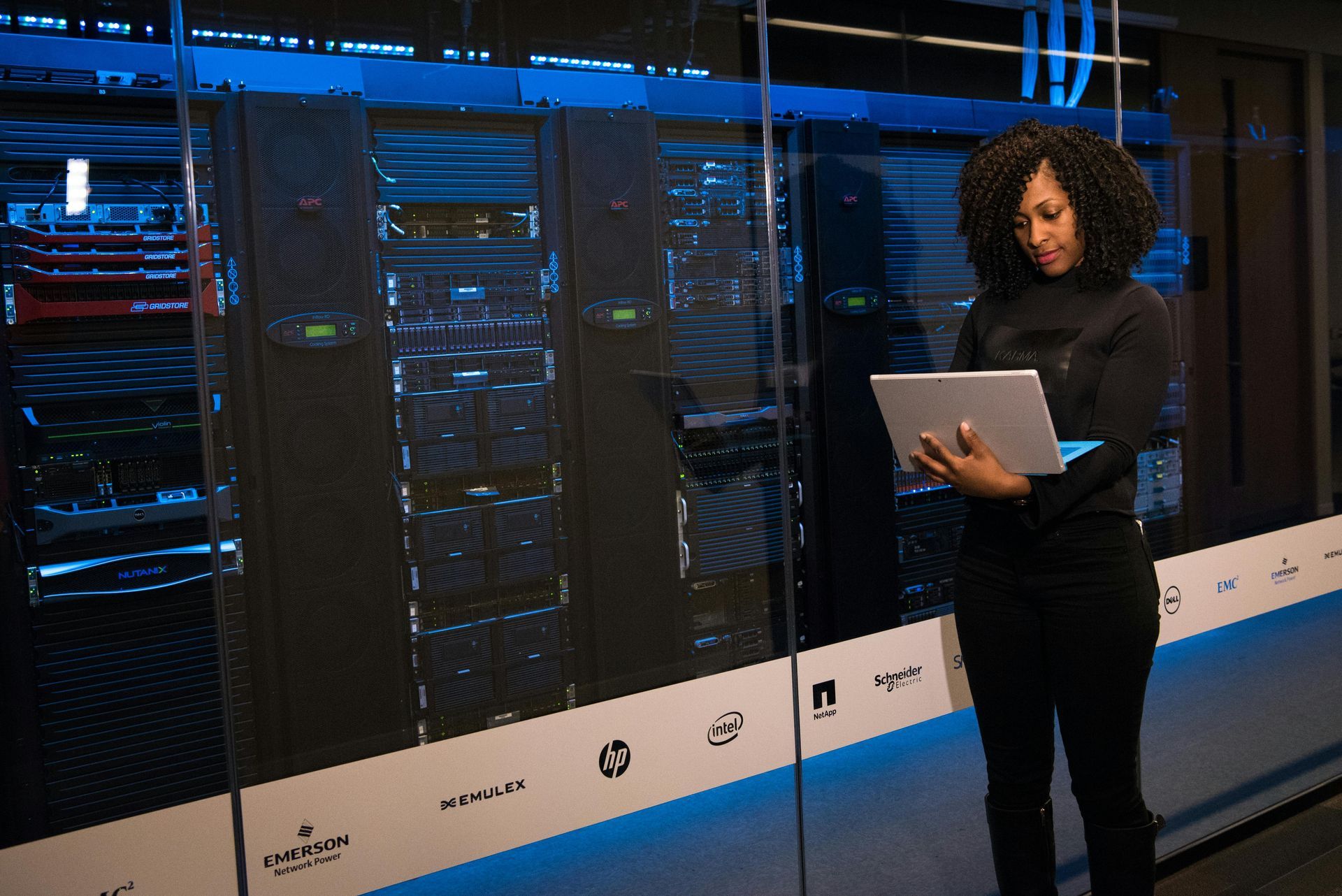
Servers are the backbone of many businesses, hosting databases, applications, and critical business files. A server failure can halt operations, causing downtime and potential revenue loss. Houston-based data recovery services cater specifically to businesses, offering expertise in:
- Enterprise-Level Recovery: Specialized tools to handle server hardware, RAID configurations, and virtual machines.
- Downtime Minimization: Rapid response teams that work to restore data while reducing operational interruptions.
- Secure Data Handling: Compliance with industry standards to protect sensitive information.
Common Causes of Server Data Loss:
| Cause | Description | Potential Solution |
|---|---|---|
| Hardware Failure | Malfunctioning drives or controllers | Physical repair and recovery |
| Software Corruption | Operating system or application errors | Logical recovery of files |
| Human Error | Accidental deletion or formatting | File restoration and backup verification |
| Malware or Ransomware | Encrypted or corrupted files | Decryption and secure recovery |
| Power Surges | Electrical issues damaging components | Replacement and data retrieval |
Servers require careful handling due to their complexity, making professional recovery services essential. Attempting DIY recovery can worsen the problem or void warranties.
Laptop Data Recovery in Houston
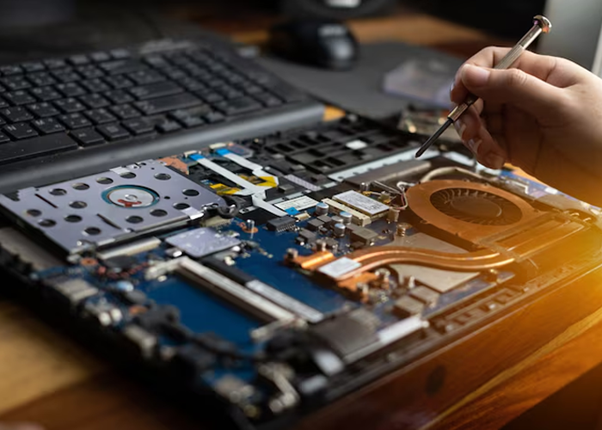
Laptops are common for both personal and professional use, often holding irreplaceable files such as work documents, photos, and creative projects. Data loss on laptops can occur from:
- Accidental deletion or formatting
- Virus infections or ransomware attacks
- Hardware failure, including hard drives and SSDs
- Liquid spills or physical damage
Houston’s data recovery providers offer solutions including:
- Hard Drive and SSD Recovery: Advanced tools to recover files from mechanical or solid-state drives.
- File System Repair: Fixing corrupted directories or partitions to regain access to data.
- Virus and Malware Recovery: Safely restoring files affected by malicious software without spreading infection.
Laptops often contain unique hardware and custom configurations, so professional expertise ensures recovery is performed without additional data loss.
External and Portable Drive Recovery
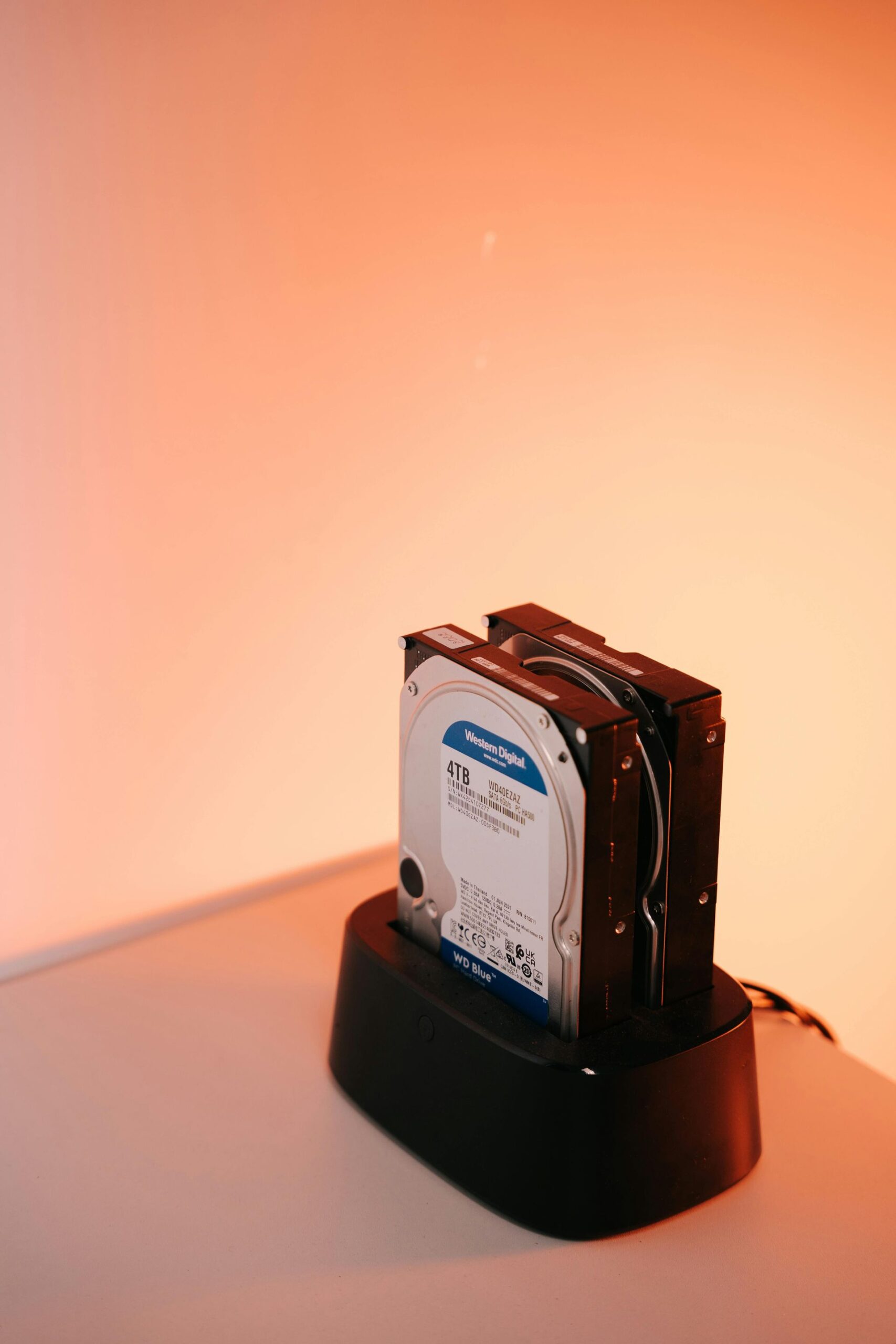
External hard drives, USB drives, and memory cards are prone to physical damage and logical errors due to their portable nature. Recovery services for these devices in Houston include:
- Mechanical Repairs: Fixing issues with spinning drives or damaged connectors.
- Logical File Recovery: Restoring deleted or corrupted files, including large media libraries.
- Data Migration: Transferring recovered data to new storage devices safely.
Tips for Using External Drives:
- Always safely eject drives to prevent corruption.
- Keep backups of essential files on multiple devices or cloud storage.
- Avoid DIY recovery if the drive is physically damaged.
Choosing the Right Data Recovery Service
Selecting the right provider is critical to increasing the chances of successful data recovery. Key factors to consider include:
- Experience and Expertise: Look for providers with proven success in server, laptop, and drive recovery.
- Security Practices: Ensure the provider follows strict protocols for data privacy.
- Service Speed: Consider response times, especially for business-critical servers.
- Pricing Transparency: Understand costs upfront, including diagnostic fees and recovery charges.
- Customer Support: Reliable communication is essential during the recovery process.
Houston’s market has multiple options, so researching reviews and certifications can help identify trusted providers.
Preventing Future Data Loss
While data recovery services are valuable, prevention is always better than cure. Businesses and individuals can reduce the risk of data loss by implementing:
- Regular Backups: Use automated backups to cloud or external storage.
- Redundant Storage Systems: RAID configurations or mirrored drives for servers.
- Anti-Malware Protection: Keep antivirus software updated to prevent corruption.
- Safe Handling Practices: Avoid physical shocks or liquid exposure for laptops and drives.
- Periodic Health Checks: Monitor storage devices for early signs of failure.
Types of Storage Devices and Their Recovery Challenges
Data is stored on a variety of devices, each with unique features and recovery challenges. Understanding the type of storage you are working with helps determine the right recovery approach and sets realistic expectations for success.
Hard Disk Drives (HDDs)
Hard disk drives are traditional storage devices that use spinning magnetic disks to store data. They are common in desktops, servers, and some laptops.
Recovery Challenges:
- Mechanical Failure: Components like read/write heads or motors can fail, making data physically inaccessible.
- Logical Corruption: File system errors, accidental deletion, or formatting can prevent access without affecting the hardware.
- Physical Damage: Dropping or shaking a hard drive can cause platter misalignment or head crashes.
HDD recovery often requires a controlled cleanroom environment to safely repair or replace damaged components before extracting the data.
Solid State Drives (SSDs)
SSDs store data on flash memory chips, which makes them faster and more resistant to physical shock than HDDs. They are common in modern laptops and some servers.
Recovery Challenges:
- Controller Failures: If the SSD controller malfunctions, the drive may become unreadable.
- TRIM Function: Most modern SSDs use TRIM to permanently erase deleted files, making recovery difficult after deletion.
- Chip-Level Recovery: Unlike HDDs, SSD recovery sometimes requires extracting and reading individual memory chips, which is highly specialized work.
While SSDs are durable, their complex architecture can make data recovery more technical and time-consuming.
RAID Arrays
Redundant Array of Independent Disks (RAID) is often used in servers and enterprise systems to improve performance and data redundancy. RAID can be configured in multiple ways, such as RAID 0, RAID 1, RAID 5, and RAID 10.
Recovery Challenges:
- Complex Configurations: Recovering data from RAID requires understanding the specific RAID level, disk order, and parity calculations.
- Multiple Drive Failures: Even a single drive failure can disrupt access, and multiple failures make recovery more difficult.
- Synchronization Issues: Improper handling can lead to permanent data loss or corruption across the array.
RAID recovery is almost always best handled by professionals with specialized tools and software designed for enterprise storage systems.
External Hard Drives and USB Drives
Portable storage devices like external hard drives, flash drives, and memory cards are convenient but vulnerable. Their portability increases the risk of drops, water damage, and accidental formatting.
Recovery Challenges:
- Connector Damage: Broken USB ports or loose connectors can prevent the device from being recognized.
- File System Corruption: Sudden ejection or power loss can corrupt the drive’s file system.
- Physical Wear: Flash memory cells degrade over time, potentially causing read/write errors.
Despite being smaller and simpler than servers or RAID arrays, external drives require careful handling to maximize recovery chances.
Frequently Asked Questions
Final Thoughts
Data loss can happen unexpectedly, and the impact can range from minor inconvenience to significant business disruption. Houston’s data recovery services provide expert solutions for servers, laptops, and external drives, offering both technical expertise and peace of mind. By understanding the types of recovery services available, recognizing the importance of secure and professional handling, and taking preventative measures, businesses and individuals can better safeguard their critical information.
Whether it is a business server with mission-critical data or a personal laptop with cherished files, recovery services are a vital tool in protecting digital assets. By choosing a trusted Houston provider, you increase the chances of successful data recovery and minimize downtime or data loss.